Christmas Planning Checklist: How to Get Organised for Christmas Without the Stress
Christmas is one of my favourite times of the year, but I also know how quickly the excitement can turn into a long list of things to organise. Between buying presents, decorating the house, planning family get-togethers and making sure everything is ready for Christmas Day, there is quite a lot to think about.
Every year I tell myself I am going to be more organised, and every year there always seems to be something I have forgotten!
The secret to enjoying Christmas without feeling overwhelmed is to get organised early. You don’t need to have everything bought and wrapped months in advance, but having a plan can make a huge difference.
Whether you’re hosting Christmas Day, travelling to see family or simply want to make the festive season a little less stressful, here is my Christmas planning checklist to help you get everything organised.
1. Start with a Christmas planning list
Before you start buying anything or putting up decorations, take a little time to work out what needs doing.
Christmas involves lots of different jobs, and trying to remember everything can quickly become overwhelming.
I find it helpful to split everything into different categories:
- Christmas presents and gift shopping.
- Christmas decorations and the tree.
- Food and drinks.
- Christmas cards and wrapping.
- Family activities and days out.
- Travel and accommodation.
- Preparing the house for visitors.
- Christmas Eve and Christmas Day preparations.
Having everything written down means you can work through one area at a time rather than trying to do everything at once.
You could use a notebook, a spreadsheet or simply the notes app on your phone. The important thing is having somewhere to keep track of everything.
2. Organise your Christmas gift shopping
Gift shopping is one of the biggest jobs when planning Christmas, particularly if you have a large family.
Rather than trying to remember everyone as you go, write down the names of everyone you need to buy for and start adding gift ideas.
I find it useful to split my list into groups:
- Immediate family.
- Extended family.
- Friends.
- Work colleagues and Secret Santa.
- Children and teenagers.
- Teachers and other thank-you gifts.
Having a separate section for children and teenagers is particularly useful. As they get older, finding presents they genuinely want can become more challenging!
Make a note of what you have bought, what still needs ordering and whether anything is waiting to be delivered.
If you’re ordering personalised gifts, handmade presents or anything coming from overseas, make sure you allow plenty of time for delivery.
You can also start looking for inspiration early. Think about the recipient’s hobbies, interests and things they would actually use rather than buying something simply because it looks festive.
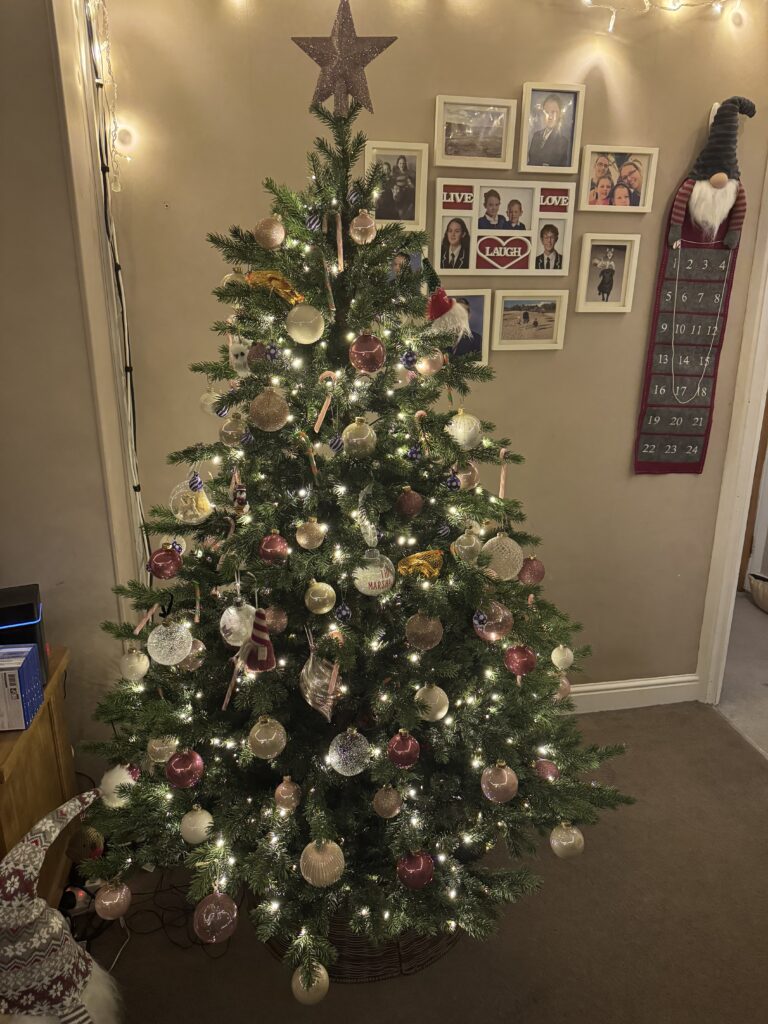
3. Get your Christmas decorations ready
Putting the Christmas decorations up is one of the things that makes the festive season feel real.
Before buying anything new, get your existing decorations out and check what you already have.
Check your Christmas tree, baubles, tinsel, wreaths, outdoor lights and any other decorations you usually use.
If you’re planning to update your Christmas decorations this year, think about the look you want before you start shopping. Whether you prefer traditional reds and golds, a winter wonderland theme or something a little more modern, having a colour scheme can help everything work together.
It is also worth checking your Christmas lights before putting them up. Make sure they are suitable for their intended use and that everything is working properly.
If you have children, getting them involved in decorating can be a lovely way to start the festive season. You could even make an afternoon of it with Christmas music, hot chocolate and a few festive treats.

4. Plan your Christmas food and drinks
Christmas food is another area where a little preparation can save plenty of time.
Start by deciding where you’re going to spend Christmas Day and whether you’re hosting anyone. If you’re having family over, work out how many people you’ll be catering for and whether anyone has dietary requirements.
Your Christmas food list might include:
- The main Christmas dinner.
- Vegetables and side dishes.
- Pigs in blankets and other extras.
- Christmas pudding and desserts.
- Breakfast for Christmas morning.
- Snacks and party food.
- Drinks and soft drinks.
- Food for Boxing Day and the days afterwards.
It is easy to concentrate on Christmas Day itself and forget that everyone still needs feeding for the rest of the festive period!
Once you have your menu, separate the shopping into things you can buy in advance and fresh items that need to be purchased nearer the day.
You can also prepare some dishes in advance and freeze them, giving you more time to enjoy Christmas Day rather than spending the whole morning in the kitchen.
5. Organise Christmas cards and wrapping
If you like sending Christmas cards, it is worth getting organised before December becomes too busy.
Make a list of the people you want to send cards to and check that you have their current addresses.
If you’re ordering personalised Christmas cards or photo gifts, leave enough time for them to be designed, printed and delivered.
The same applies to wrapping presents. Check what you already have before buying more wrapping paper, gift bags, ribbon, tape and gift tags.
I also recommend keeping a note of what you have bought and who it is for. This might sound obvious, but when presents are hidden away in cupboards, it is surprisingly easy to forget what you’ve already purchased!
6. Book Christmas activities and family days out
Christmas isn’t just about presents and food. There are lots of lovely festive activities that can make the run-up to Christmas just as enjoyable as the big day itself.
Depending on where you live, you might want to consider:
- Visiting a Christmas market.
- Booking tickets for a pantomime.
- Going to see Christmas lights.
- Visiting a Christmas-themed attraction.
- Taking the children to meet Santa.
- Enjoying a festive afternoon tea.
- Arranging a family meal or get-together.
- Going ice skating.
If there is something specific you want to do, check availability and prices early. Popular Christmas events can become booked up, especially at weekends and during school holidays.
Don’t feel that you need to fill every weekend with activities, though. Sometimes a film night at home, baking Christmas biscuits or simply enjoying a walk to see the decorations can be just as enjoyable.
7. Sort out Christmas travel arrangements
If you’re visiting family over Christmas, or travelling further afield, don’t forget to include this in your preparations.
Think about how you’re going to get there, how long the journey will take and whether you need to book transport or accommodation.
If you’re travelling by train, look at ticket availability and book as soon as suitable tickets are released. If you’re driving, consider your route and allow extra time for potentially busy roads.
For anyone staying away from home, make sure you have accommodation arranged and check what you need to pack.
If you’re hosting relatives instead, think about where everyone will sleep and whether you need extra bedding, towels or storage space.
Getting these details sorted early can prevent a lot of last-minute rushing.
8. Get the house ready for Christmas
Christmas can mean extra people in the house, more cooking and plenty of presents taking up space, so a little preparation can help.
You don’t need to undertake a huge deep clean, but it is worth concentrating on the areas that will get the most use.
Start with:
- Clearing away clutter in the living room.
- Making space for the Christmas tree and decorations.
- Checking that you have enough seating.
- Organising the kitchen cupboards and freezer.
- Cleaning the guest bedroom if you’re having visitors.
- Checking you have enough plates, glasses and cutlery.
- Making sure the bathroom has spare toiletries and towels.
If you’re hosting Christmas dinner, check your kitchen equipment before the day. Make sure you have enough oven trays, serving dishes and space to prepare everything.
You might also want to think about any small home improvements or finishing touches you’ve been putting off. New cushions, festive bedding or a welcoming wreath can make the house feel ready for Christmas.
9. Make a Christmas Eve checklist
As Christmas gets closer, try to get as many of the smaller jobs completed as possible.
I find it helps to have a separate Christmas Eve checklist so that you’re not trying to remember everything on the morning of Christmas Day.
Some jobs to tick off include:
- Finish wrapping any remaining presents.
- Put batteries in toys and games if needed.
- Charge cameras, phones and other devices.
- Prepare vegetables and any food that can be made ahead.
- Set the table if you’re hosting.
- Check the cooking timings for Christmas dinner.
- Put drinks in the fridge.
- Make sure everyone knows what time you’re getting together.
- Put out anything needed for Christmas morning.
If you have children, Christmas Eve can be busy enough without having to search the house for batteries or realise that you have forgotten something important!
A little preparation the night before can make Christmas morning much more enjoyable.
10. Your week-by-week Christmas planning checklist
If you prefer to work through things in stages, here is a simple Christmas preparation timeline to help you stay organised.
Early November
- Write your Christmas planning list.
- Organise your present list.
- Decide where you’ll be spending Christmas Day.
- Check existing decorations.
- Start looking at festive activities and events.
- Check travel and accommodation requirements.
Mid-November
- Start buying and ordering presents.
- Order personalised gifts and Christmas cards.
- Test your Christmas lights.
- Plan your Christmas menu.
- Start organising the house.
- Book any festive activities you want to attend.
Late November
- Aim to have most of your Christmas shopping underway.
- Check delivery dates for outstanding presents.
- Organise wrapping paper and gift bags.
- Start buying non-perishable Christmas food.
- Confirm family arrangements.
- Decide when you’re putting up your Christmas decorations.
First week of December
- Put up the Christmas decorations.
- Write and send Christmas cards.
- Finish ordering presents.
- Organise any remaining travel arrangements.
- Check your Christmas food shopping list.
- Start wrapping presents.
Second week of December
- Aim to finish most of your gift shopping.
- Check that all online orders have arrived.
- Wrap the remaining presents.
- Buy any additional Christmas essentials.
- Prepare your home for visitors.
- Confirm any final family arrangements.
Christmas week
- Complete your fresh food shopping.
- Prepare anything that can be made in advance.
- Check your Christmas dinner timings.
- Finish any last-minute wrapping.
- Get everything ready for Christmas Eve.
- Most importantly, make some time to relax!
Frequently asked questions about Christmas planning
When should I start planning for Christmas?
Ideally, start thinking about Christmas in October or November. This gives you time to organise presents, decorations, travel and family arrangements without leaving everything until December.
However, it is never too late to get organised. Even starting with a simple checklist a couple of weeks before Christmas can make things easier.
What should I organise first for Christmas?
Start with the things that need booking or ordering in advance, such as presents, travel, accommodation and popular festive activities. You can then move on to decorations, food shopping and the smaller preparations.
How can I make Christmas less stressful?
The easiest way is to break everything into smaller jobs rather than trying to do it all at once. Keep a list, spread the preparations over several weeks and don’t feel that everything has to be perfect.
How can I keep Christmas costs under control?
Set a realistic budget, plan your shopping and keep track of what you spend. Buying presents gradually and avoiding last-minute purchases can also help. I’ve shared more ideas in my guide to Christmas on a Budget.
Final thoughts: Enjoy the run-up to Christmas
It’s easy to get caught up in trying to make Christmas perfect. We want the presents to be right, the house to look lovely, the food to taste amazing and everyone to have a wonderful time.
But Christmas doesn’t have to be perfect to be special.
You don’t need to buy every decoration you see, attend every festive event or cook an enormous meal if it isn’t what works for your family.
Make time for the things you enjoy, spend time with the people who matter and don’t be afraid to simplify things where you can.
A little Christmas planning can make the run-up to the big day much easier, but the most important thing is leaving yourself some time to enjoy it all!

