Maintaining Muscle After 40: Is a Mass Gainer Worth Considering?
In your twenties, it felt like staying healthy was much simpler. I could get away with skipping meals, squeezing in the occasional workout and still feel full of energy. Fast forward a couple of decades and things have definitely changed.
Like many women in their 40s, I’m becoming much more aware of how important it is to look after my body—not just to look good, but to feel strong, stay active and enjoy life for years to come.
One thing that has surprised me is just how much emphasis health professionals now place on maintaining muscle as we get older. It’s no longer just something for gym enthusiasts or athletes. Muscle plays a vital role in keeping us healthy, mobile and independent as we age.
As someone juggling work, family life and everything else that comes with being a busy mum, I know that eating perfectly every day isn’t always realistic. That’s led me to look more closely at protein intake, strength training and nutritional supplements, including products like mass gainers.
But are they actually worth considering once you’re over 40 or just another fad?
Let’s find out.
Why Do We Lose Muscle After 40?
One of the biggest surprises for many people is that muscle loss begins much earlier than we think.
From around our thirties onwards, we naturally begin to lose small amounts of muscle mass each year. This gradual decline is known as sarcopenia, and while it’s a normal part of ageing, it can become more noticeable during our forties and fifties.
Many of us find that those everyday tasks are no longer what they used to be.
For women, the hormonal changes that happen during perimenopause and menopause can accelerate this process. As oestrogen levels begin to fall, maintaining muscle becomes harder while losing body fat often feels even more challenging. It just becomes an endless cycle as we try to balance things out.
It’s not just hormones either; modern life doesn’t exactly help.
Many of us spend long hours sitting at a desk before coming home to cook dinner, tackle the housework and collapse on the sofa by the evening. Daily movement naturally decreases as life becomes busier, and exercise often slips down the priority list.
We’ve all been there: good intentions when you start the day and by the end of a busy day, you are reaching for the takeaway and a glass of wine, whilst chilling on the sofa.
Poor sleep, increased stress and not eating enough protein can all contribute to muscle loss too.
The good news is that this isn’t something we simply have to accept. While we can’t stop ageing, we can certainly influence how well our muscles age.

Why Muscle Matters More Than the Number on the Scales
For years, many of us have focused almost entirely on weight.
We’ve stepped on the scales hoping for a lower number without really considering what that weight is made up of; we all usually just aimed to be lower than the previous week. With so much pressure and advertisement around weight loss, diet plans and medication, it is easy to be caught up in the latest fad.
The reality is, though, muscle is incredibly valuable, more than you may realise initially.
Having healthy muscle mass helps to:
- Support strong bones
- Improve balance and coordination
- Reduce the risk of falls
- Increase metabolism
- Improve posture
- Make everyday tasks easier
- Support healthy blood sugar levels
- Improve overall strength and confidence
When I think about staying healthy now, I’m not aiming to be the lightest or thinnest version of myself.
I’d much rather be strong enough to carry heavy shopping bags without struggling, move furniture around the house, enjoy long countryside walks or eventually keep up with future grandchildren.
Building strength and muscle is there to help long term; I want to be able to enjoy retirement when it eventually gets here and not be worrying about my health!
It’s something we often take for granted until we begin to lose it and trust me, life waits for no one and you never know what is around the corner, so just make yourself the best version of what you can be,
The Hidden Impact of Menopause on Muscle
If you’ve recently found yourself feeling weaker despite not changing much about your lifestyle, menopause may be playing a bigger role than you realise.
During menopause, declining oestrogen levels affect how our bodies build and maintain muscle tissue.
This doesn’t mean building muscle becomes impossible—it simply means we need to work a little smarter.
Being a woman brings a whole new area of challenges as you get older, and everything you thought was best for your body when you were younger is all about to change!
Many experts now encourage women approaching menopause to prioritise:
- Resistance training
- Higher protein intake
- Good sleep
- Stress management
- Regular movement throughout the day
These habits don’t just support muscle—they can also improve energy levels, bone health and overall wellbeing.
As someone balancing a full-time job alongside family life, I know how difficult it can be to fit everything in. That’s why I’ve started looking for realistic changes rather than chasing perfection.
That nice long dog walk in the evening isn’t just for the dog; it is for me too! Then there are those little tweaks to diet or just taking time out to recharge and reduce stress levels. Every little step soon starts to add up.

How Much Protein Do We Actually Need After 40?
Protein has become one of the biggest talking points in nutrition over recent years—and for good reason.
Protein provides the building blocks our muscles need to repair and grow. Without enough of it, maintaining muscle becomes much harder, especially as we age.
Forget what you may have read about it being for bulking out muscle only; it is there to help everyone’s muscles!
For the average adult, the recommended daily intake is around 0.75g of protein per kilogram of body weight in the UK. However, many experts suggest that older adults and people who regularly exercise may benefit from a higher intake to help preserve muscle mass.
You don’t need to consume your protein all in one meal either; it’s often more effective to spread protein across the day.
Here are some suggestions for increasing your protein if you are struggling!
Breakfast
- Greek yoghurt with berries
- Scrambled eggs on wholemeal toast
- Overnight oats with protein-rich yoghurt
Lunch
- Chicken salad
- Tuna wrap
- Cottage cheese with crackers
Dinner
- Salmon with vegetables
- Lean beef chilli
- Chicken stir fry
- Lentil curry
Snacks
- Boiled eggs
- Mixed nuts
- Edamame beans
- Cottage cheese
- Protein yoghurt
Are You Getting Enough Protein?
One of the biggest challenges is that many people simply don’t realise they’re falling short.
Some possible signs include:
- Feeling hungry soon after eating
- Slow recovery after exercise
- Gradually losing strength
- Feeling tired throughout the day
- Struggling to build muscle despite exercising
- Frequently reaching for sugary snacks
Of course, these symptoms can have many different causes, but if your diet is lacking in protein, it’s worth taking a closer look at what you’re eating.
For me, breakfast has always been the easiest meal to skip when life gets busy. Grabbing a coffee and heading straight out the door might save time, but it certainly doesn’t help me reach my daily nutrition goals.
Making simple swaps—like choosing Greek yoghurt instead of cereal or adding eggs to breakfast—has been one of the easiest improvements I’ve made.
What Is a Mass Gainer?
If you’ve ever looked at sports nutrition supplements, you’ve probably seen both protein powders and mass gainers. At first glance, they can look very similar, but they’re actually designed for different goals.
A standard protein powder is primarily intended to increase your protein intake while keeping calories relatively low. Many people use one after exercise or as a convenient way to top up their daily protein.
A mass gainer, on the other hand, contains a combination of:
- Protein
- Carbohydrates
- Calories
- Sometimes healthy fats
The aim is to provide a much higher calorie intake in one serving, making it easier for people who struggle to eat enough food throughout the day.
Originally, mass gainers became popular with bodybuilders looking to increase muscle size. However, they can also have a place for people who need additional calories for other reasons.
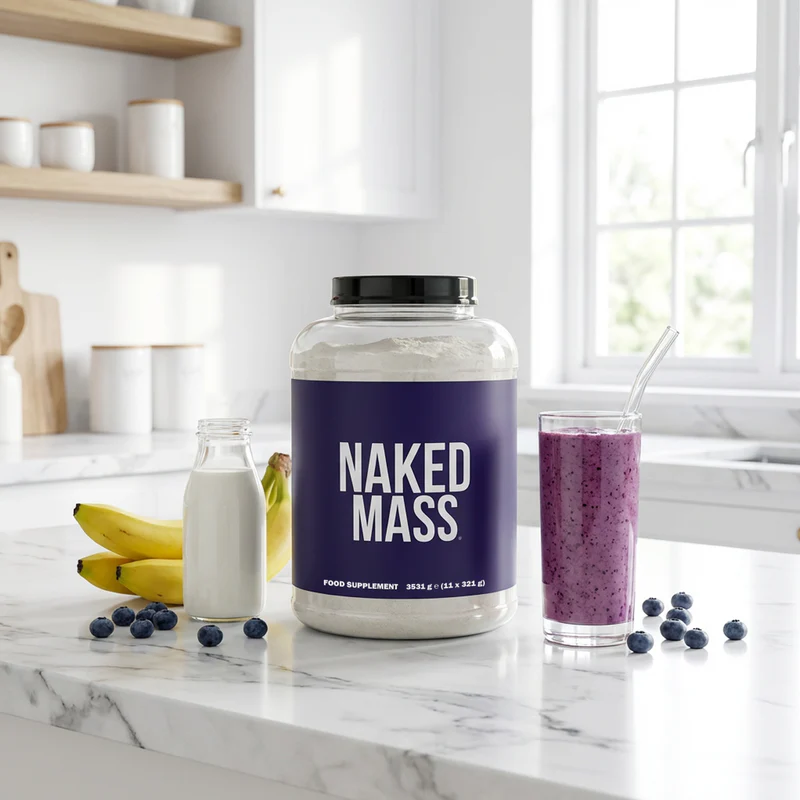
Protein Powder vs Mass Gainer: What’s the Difference?
Here’s a simple comparison:
| Protein Powder | Mass Gainer |
| Higher in protein | Higher in calories |
| Lower in carbohydrates | Contains more carbohydrates |
| Usually low in fat | May contain additional healthy fats |
| Suitable for increasing protein intake | Suitable for increasing both calories and protein |
| Often used during weight loss or muscle maintenance | Usually used during muscle-building or healthy weight gain |
Neither option is “better”—it simply depends on your individual goals.
If you’re already eating enough calories but struggling to hit your protein target, a protein powder may be all you need.
If you’re unintentionally losing weight, have a poor appetite, or genuinely struggle to eat enough, a mass gainer could be worth considering.
Is a Mass Gainer Worth Considering After 40?
This is where the answer becomes a little more personal.
For many of us in our forties, the goal isn’t necessarily to gain lots of weight.
Instead, we’re trying to:
- Stay strong
- Preserve muscle
- Feel more energetic
- Support our bones
- Age well
For most healthy adults, these goals can often be achieved through a balanced diet alongside regular strength training.
However, there are situations where eating enough calories and protein isn’t always straightforward.
You might find yourself:
- Skipping meals because of work.
- Constantly rushing between family commitments.
- Recovering from an illness that affected your appetite.
- Naturally slim and struggling to maintain your weight.
- Beginning a structured strength-training programme and finding it difficult to fuel your workouts.
In these circumstances, adding extra calories through nutritious foods—or, in some cases, a supplement—may be helpful.
The important thing is to remember that supplements are designed to support a healthy lifestyle, not replace one. Naked Nutrition has a wide range of products to help you get the best for your body.
Five Simple Habits That Help Protect Muscle After 40
While supplements can sometimes play a role, the foundations of healthy ageing remain surprisingly simple.
1. Lift Something Heavy
You don’t have to become a gym regular.
Resistance bands, dumbbells or even bodyweight exercises performed a couple of times each week can stimulate muscle growth and improve strength.
2. Eat Protein at Every Meal
Rather than relying on one large protein-rich dinner, aim to include some protein at breakfast, lunch, dinner and snacks.
Small changes soon add up.
3. Keep Moving Every Day
Walking the dog, gardening, climbing the stairs or simply getting up from your desk more often all contribute to maintaining strength and mobility.
Movement really does matter.
4. Prioritise Sleep
Muscles repair while we sleep.
If you’re consistently running on empty, your recovery—and your energy levels—are likely to suffer too.
5. Be Patient
Muscle isn’t built overnight.
The small choices you make consistently over months and years will have a far greater impact than any single supplement ever could.
Final Thoughts
Turning 40 has certainly changed the way I think about health.
Rather than chasing a number on the scales, I’m much more interested in feeling strong, energetic and capable.
Maintaining muscle isn’t about looking like a fitness model—it’s about protecting our future selves.
It’s about having the strength to carry the shopping without thinking twice, enjoying active holidays, tackling DIY projects around the house and hopefully keeping up with grandchildren one day.
For most of us, the best approach is refreshingly simple:
- Eat a balanced diet.
- Include plenty of protein.
- Stay active every day.
- Add some form of resistance training each week.
- Prioritise sleep and recovery.
If you’re genuinely struggling to eat enough calories or protein despite your best efforts, a quality mass gainer such as Naked Nutrition’s Mass Gainer may be worth considering as part of your routine. But it should always complement healthy eating—not replace it.
Ageing is inevitable.
Getting weaker doesn’t have to be.
Frequently Asked Questions
Can you still build muscle after 40?
Absolutely. Building muscle may take a little longer than it did in your twenties, but regular strength training combined with adequate protein can help increase muscle mass and strength well into later life.
Does menopause cause muscle loss?
The hormonal changes associated with menopause can contribute to muscle loss, making resistance training and good nutrition even more important during this stage of life.
Is a protein shake the same as a mass gainer?
No. Protein shakes are designed primarily to increase protein intake, whereas mass gainers also provide significantly more calories and carbohydrates.
How much protein should women over 40 eat?
Protein needs vary depending on body weight and activity levels. If you’re exercising regularly or aiming to maintain muscle, you may benefit from a higher intake than the minimum recommendation. If you have a medical condition, it’s always best to seek personalised advice from a healthcare professional or registered dietitian.
Is a mass gainer suitable for everyone?
No. Mass gainers are generally intended for people who need additional calories and protein. They may not be appropriate if your goal is weight loss or if you already consume enough calories through your diet.

