Wellbeing After 40: Simple Ways to Support Your Health During Perimenopause and Beyond
#Post in collaboration with Very
There is something about turning 40 that makes you look at your health a little differently, and this year has taught us that time is not a given and you never know what is right around the corner. It has also been a reminder that looking after myself shouldn’t always come last on the to-do list. Between work, family life and everything else that comes with being a busy mum, it is easy to put your own needs on the back burner.
But as we get older, our bodies can start to change. Hormones fluctuate, sleep can become more unpredictable, energy levels might not be what they once were and we can find ourselves paying much more attention to things we perhaps never thought about before. It can feel a bit like an endless cycle as you try to find that balance that works for you.
For many women, their 40s are also when they begin to experience perimenopause. It is a stage of life that can bring a variety of changes, and while everyone’s experience is different, it is a good opportunity to think about our overall health and wellbeing.
The good news is that looking after yourself doesn’t have to mean completely changing your lifestyle. Sometimes it is about making small, manageable changes, finding a routine that works for you and exploring ways to support your nutritional needs.
Why wellbeing becomes more important after 40
Our 40s can be a busy stage of life. We might be juggling work, teenagers, family commitments and a household, all while trying to find a little time for ourselves.
It can also be a time when we start noticing changes in our bodies. Perimenopause can bring symptoms such as changes to our periods, hot flushes, sleep difficulties, mood changes and changes in concentration.
It is worth remembering that not every change is necessarily down to hormones, and persistent or worrying symptoms are always worth discussing with a healthcare professional.
Rather than looking for one that magical solution sold by everyone, it makes so much more sense to start with the basics:
- Eating a varied and balanced diet – No one is perfect, by trying to find that balance that gives your body what it needs but your mind the things you enjoy.
- Finding time for regular movement and exercise – Whether it is a walk or an exercise class, find something that you love.
- Prioritising sleep wherever possible – Sleep can go AWOL whilst you are in your menopause transition, where you can try and get yourself a good night’s sleep.
- Drinking enough water throughout the day – I am guilty of this one, always forgetting to drink whenever I am busy. Keeping hydrated, though, is key.
- Making time for relaxation and looking after your mental wellbeing.
- Understanding whether you have any nutritional gaps that need addressing.
These habits are important at every age, but they can become particularly relevant as we move through midlife.
Finding a wellbeing routine that works for you
One thing I have learnt is that the best routine is the one you can actually stick to. There is little point in creating an elaborate morning routine if you are going to abandon it after three days because it doesn’t fit around real life.
Instead, think about little things you can incorporate into your existing day.
For example, you could start the morning with a glass of water, make time for a proper breakfast, enjoy a walk during your lunch break or spend a few minutes winding down before bed.
Nutrition is another thing to take a little time to look after. Making sure you are getting everything your body needs and keeping fuelled for the busy day is key, and everyone is different; listen to your body.
When browsing the women’s health range at Very, there are products covering different areas of everyday wellbeing, from nutritional supplements to products designed with women’s changing needs in mind.
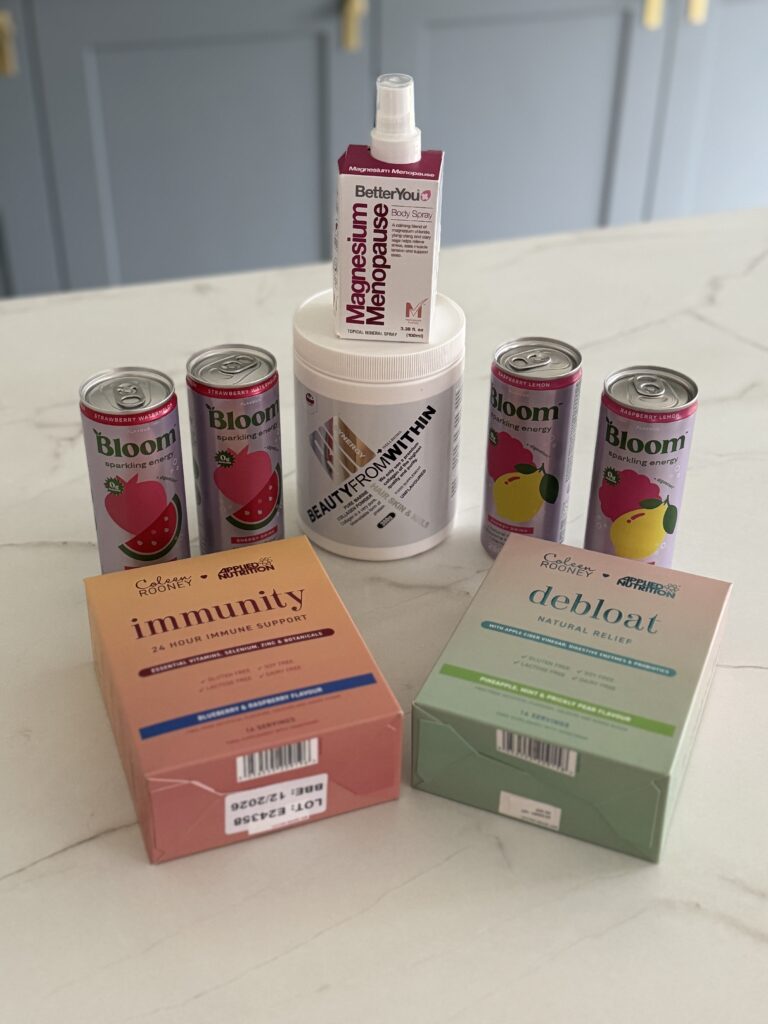
Here are some options I have been exploring.
1. BetterYou Mag Menopause Oil – Ylang-Ylang and Sage
Perimenopause is something that more women are talking openly about, which is a positive change. It can sometimes feel like we are expected to just get on with everything, even when our bodies are going through changes.
The BetterYou Mag Menopause Oil combines magnesium with a ylang-ylang and sage fragrance in a topical oil format. It offers an alternative to traditional tablets and is designed to be applied externally to the body.
I like the idea of incorporating something like this into an evening self-care routine. Taking a few minutes to slow down, have a warm shower and spend some time looking after yourself can be a welcome way to end a busy day and let the mind relax before you close your eyes.
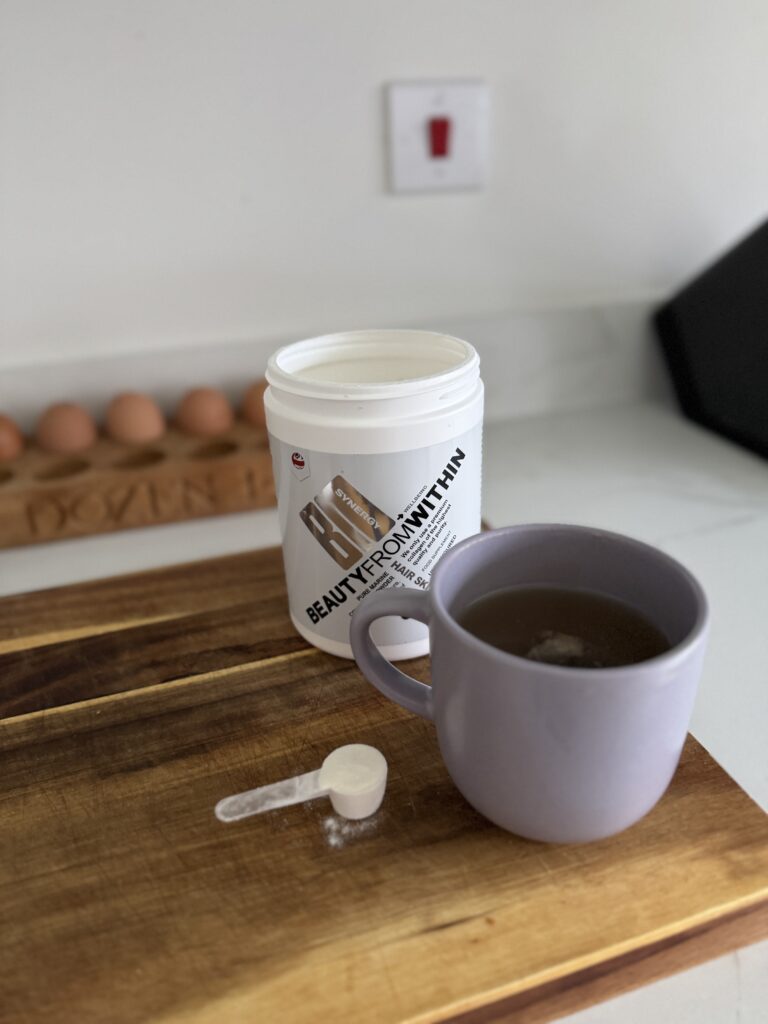
2. Bio-Synergy Marine Collagen Powder
As we get older, many of us start paying more attention to our skin, hair, nails and general health. My hair has really started to thin, and my nails are now the weakest they have ever been.
Collagen is a protein naturally found in the body, and marine collagen supplements are an option that some people choose to explore as part of their nutritional routine.
The Bio-Synergy Marine Collagen Powder is made using hydrolysed fish collagen peptides. I’ve been adding mine into my morning tea, so I know I have taken it before I start the day and forget!
That flexibility makes it easy to experiment with different ways of incorporating it into your day. You could add it to a morning smoothie or mix it into a drink alongside breakfast.
3. Applied Nutrition x Coleen Rooney Immunity Secret Powder
When life is busy, it is easy to overlook the little things that contribute to our overall health.
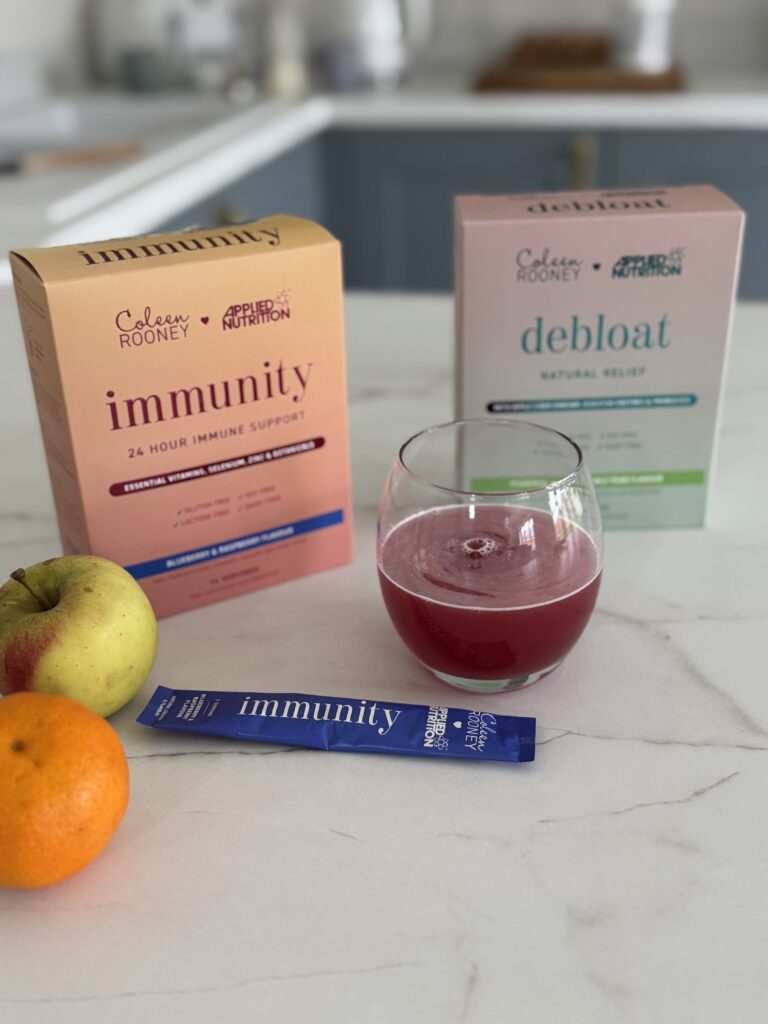
The Applied Nutrition x Coleen Rooney Immunity Secret Powder comes in individual sachets, making it a convenient option for anyone who likes having something pre-portioned and easy to prepare.
The blueberry and raspberry flavour offers a different way to enjoy a drink as part of your daily routine. Its listed ingredients include vitamin C, vitamin D3, vitamin B12, zinc and selenium, alongside other ingredients.
These nutrients have recognised roles in normal body functions. For example, vitamins C and D, zinc and selenium contribute to the normal function of the immune system.
4. Applied Nutrition x Coleen Rooney Debloat Sachets
Digestive comfort is another area that many women become more conscious of during midlife.
Bloating can have lots of different causes, including dietary changes, digestive conditions and hormonal fluctuations. It is also worth remembering that persistent bloating should be discussed with a healthcare professional rather than simply being put down to hormones.
The Applied Nutrition x Coleen Rooney Debloat Sachets come in a pineapple, mint and prickly pear flavour, with 14 individual sachets in a pack.
The formula includes ingredients such as inulin, apple cider vinegar powder, digestive enzymes and a probiotic blend. The sachets are designed to be mixed with water, making them straightforward to prepare.
5. Bloom Sparkling Energy Drinks
Sometimes the easiest way to make a change to your daily routine is to find alternatives that you genuinely enjoy.
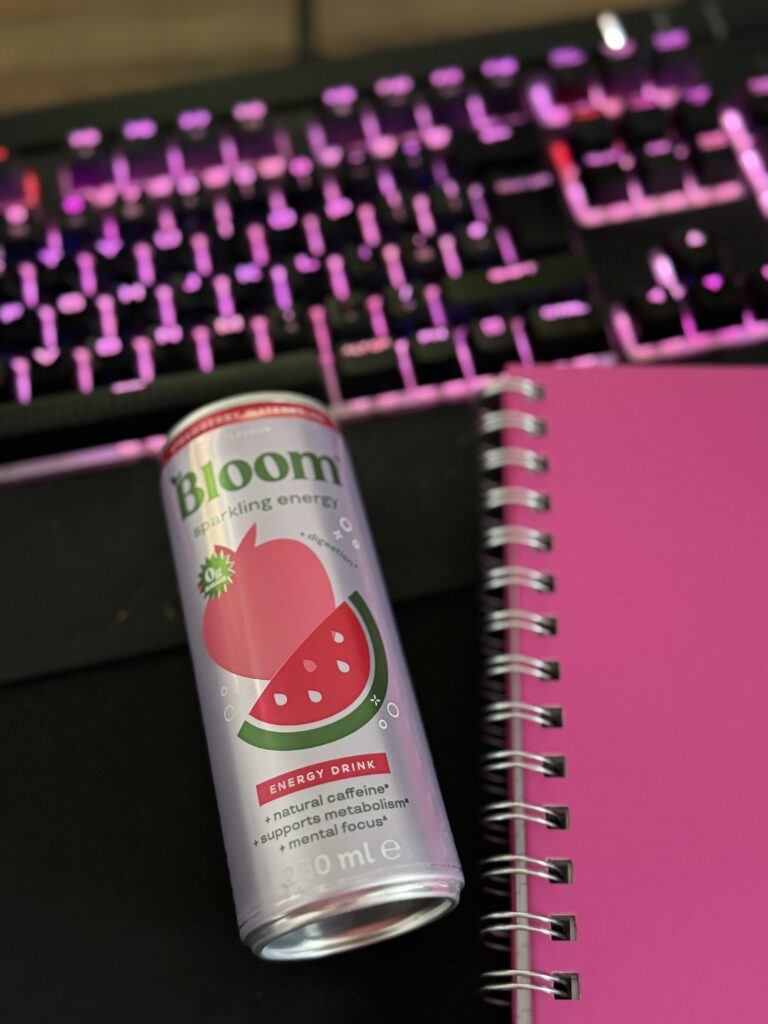
Bloom Sparkling Energy Drinks are available in flavours including raspberry and lemon and strawberry and watermelon. The 250ml cans offer a convenient option for keeping in the fridge when you fancy something different.
They contain caffeine, so it is worth checking the label and being mindful of how much caffeine you consume throughout the day, particularly if you are experiencing sleep difficulties or finding yourself more sensitive to caffeine.
That being said, these drinks are gorgeous and the perfect fresh drink to enjoy with your lunch when most of us start to have that lull.
You can explore more products in the Bloom Nutrition range at Very.
Don’t forget the importance of nutrition and movement
While supplements can be convenient, they should only ever be one part of a much bigger picture.
As women move through their 40s and beyond, looking after bone health becomes particularly important. Eating calcium-rich foods, getting enough vitamin D and incorporating weight-bearing exercise into your routine can all help support bone health.
Protein is another nutritional consideration, particularly if you are trying to maintain muscle as you get older. Including a variety of protein sources in your meals is a good starting point, and there are different protein powder options available for people who want to explore additional ways of incorporating protein into their diet.
You don’t need to spend hours in the gym either. Walking, swimming, cycling, strength training and other activities you enjoy can all help you become more active.
The key is finding something realistic that you can keep doing.
Making time for yourself is not selfish
One of the biggest lessons I am learning in my 40s is that looking after myself isn’t something I should feel guilty about.
There is no magic cure to keeping yourself healthy as we start to age, but taking time to listen to our bodies and taking time out to enjoy life a little more is so important.
It doesn’t have to involve expensive treatments, complicated routines or completely overhauling the way I live. It might simply mean getting outside more often, eating a little better, finding time to exercise or being more mindful about my sleep.
Perimenopause and the years beyond it can bring changes, but they are also an opportunity to become more aware of what our bodies need.

