Buying a New Build with Part Exchange: Our Honest Experience (UK)
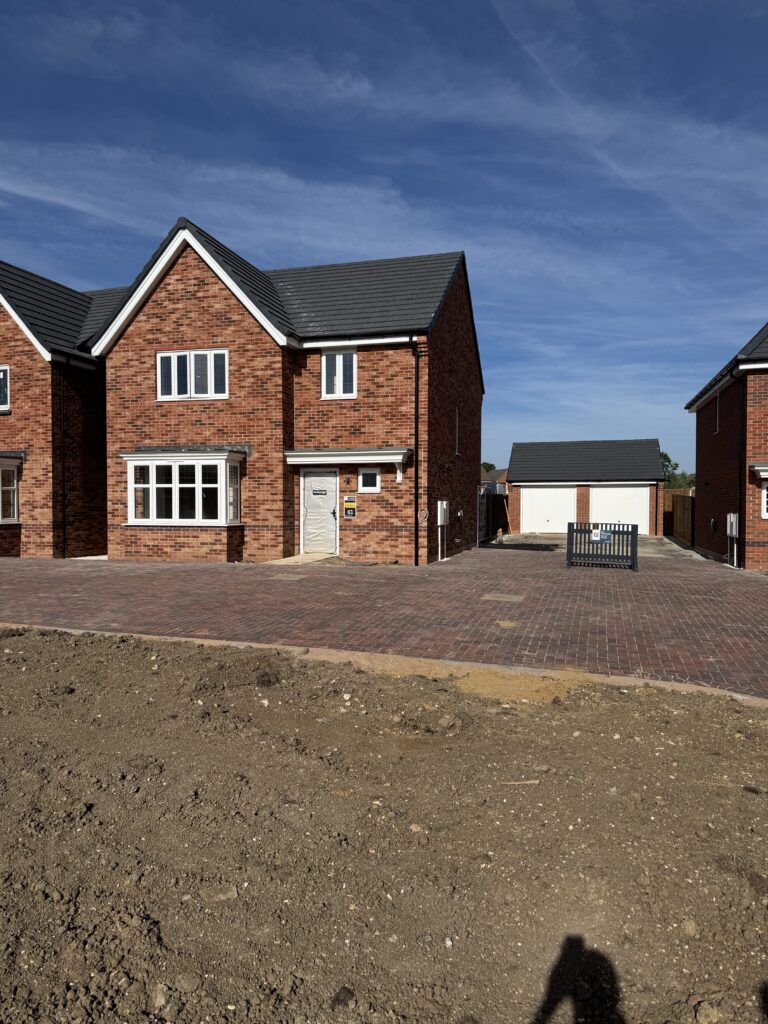
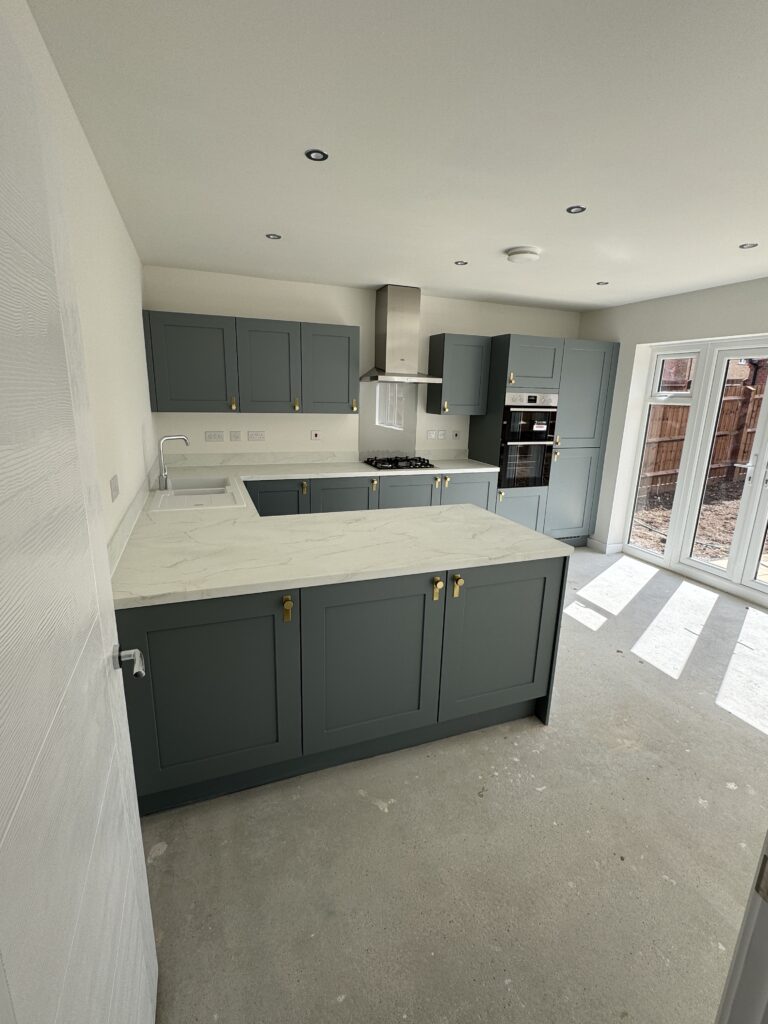
Thinking about part exchange on a new build, but not sure what to expect? We have recently purchased our first new-build home using the part-exchange scheme and have learned a lot along the way. Here’s our honest experience, including pros, cons, costs and what we’ve learned.
What Is Part Exchange When Buying a New Build?
If you have started to look at new builds, you may have seen your developer offering part exchange (not to be confused with an assisted move; they are 2 different things!). Now it works in the same way you would part-exchange a car, just with a lot more legal and financial implications!
Essentially, you are using your house that you own as a deposit on the new build that you would like to buy. The developer becomes your purchaser, and the amount they purchase your house for gets taken from the amount you are buying for.
Why We Chose Part Exchange Instead of Selling Traditionally
Selling a house is stressful at the best of times, but with the volatile housing and mortgage market at the moment, it is even more pressure on those looking to move.
For us, we experienced the stress of selling a home last year after a few weeks of being on the market. We had a cash buyer who then pulled out after we had an offer put in on our dream home. Neither of us really wanted to experience that, so this time we looked into the options around part exchange on a new build house, which gave us our guaranteed buyer to allow us to move.
This is our personal experience from a Bloor part exchange, and hopefully it will help you through the process.
How the Part Exchange Process Works (Step-by-Step)
Each property developer has slightly different rules around their part exchange process, so it would be worth checking directly with the developer you are looking to purchase from. However, each one will work very similarly, so here is the process you will experience.
- The first thing for you to do is find your next dream home. Once you have done this, you will need to make an appointment with the developer to find out more about the house and if they are offering part exchange. This can come down to how far along they are in the build process of the house, the value of your house that you are purchasing, and if they have offered part exchange already on the development.
- If you are able to proceed with the part exchange, the developer will arrange to send over 2-3 local estate agents to give them a price for your house. This will be the market value and the realistic value for a quick sale (usually 6 weeks). You won’t be told these prices; they will be sent to the developer, but it is still worth doing your own market research to find out the values you may be expecting.
- Once they have these prices, you will receive an offer from the developer, and this is where you need to be realistic. If your house is worth £250k on the open market, knowing you are going to take under that. Then you can expect the developer to offer even less! We will come back to this a little later in the post.
- At this point, it is down to you to either accept this deal, try and barter for a better deal or walk away. Only you can make the call to proceed at this point.
- If you choose to proceed, you will need to reserve your plot with the developer, and you will find your house will be on the market almost immediately after that!
The Pros of Part Exchange (Why It Worked for Us)
Part exchange on a new build house is not for everyone; for some people, though, it works.
If you are in two minds as to whether you think this is right for you, here are our pros on part exchange and why it worked for us.
- Guaranteed buyer – For us, this was hands down the number one reason we wanted to go for a part exchange. Last year we felt the disappointment and heartbreak of a buyer pulling out on our house after we had put in an offer on the house that we loved. Neither of us wanted to go through that again, and Bloor became our buyer to ensure the deal would go through.
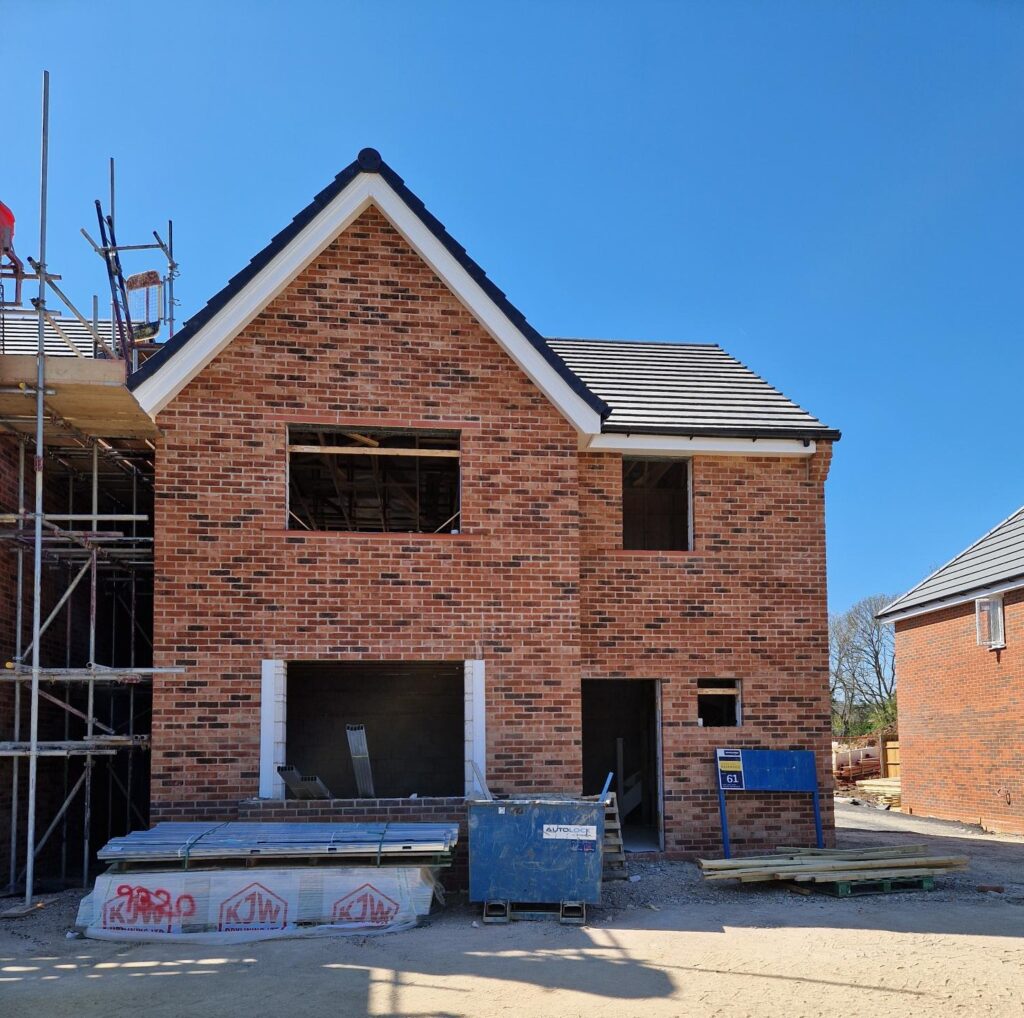
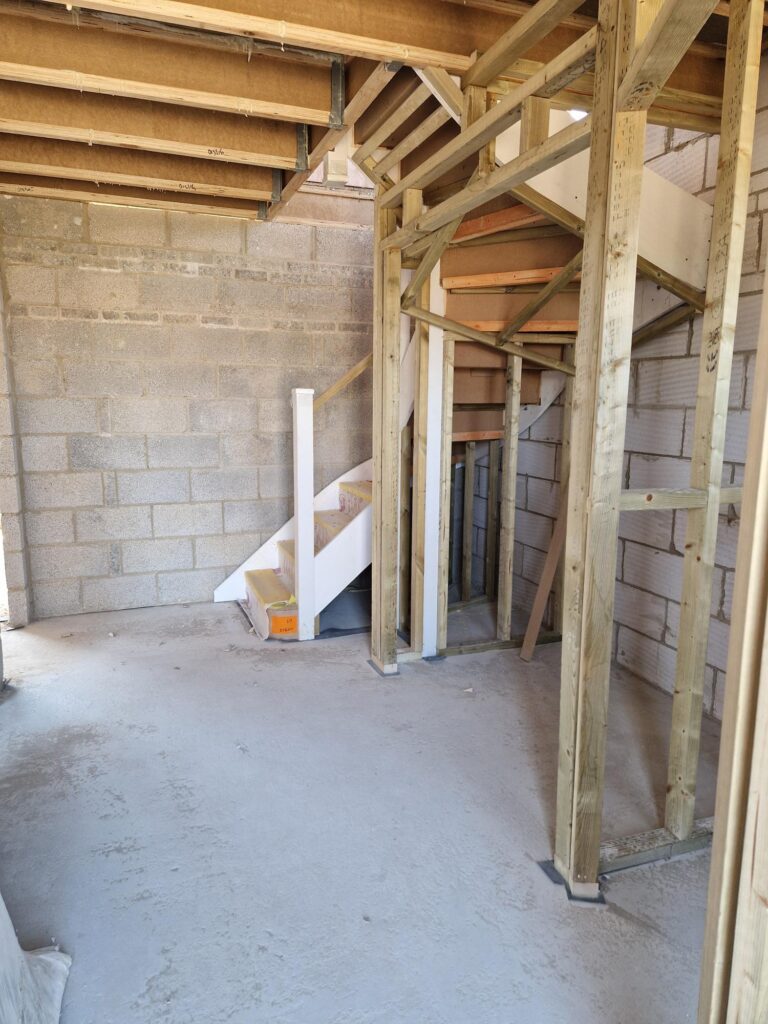
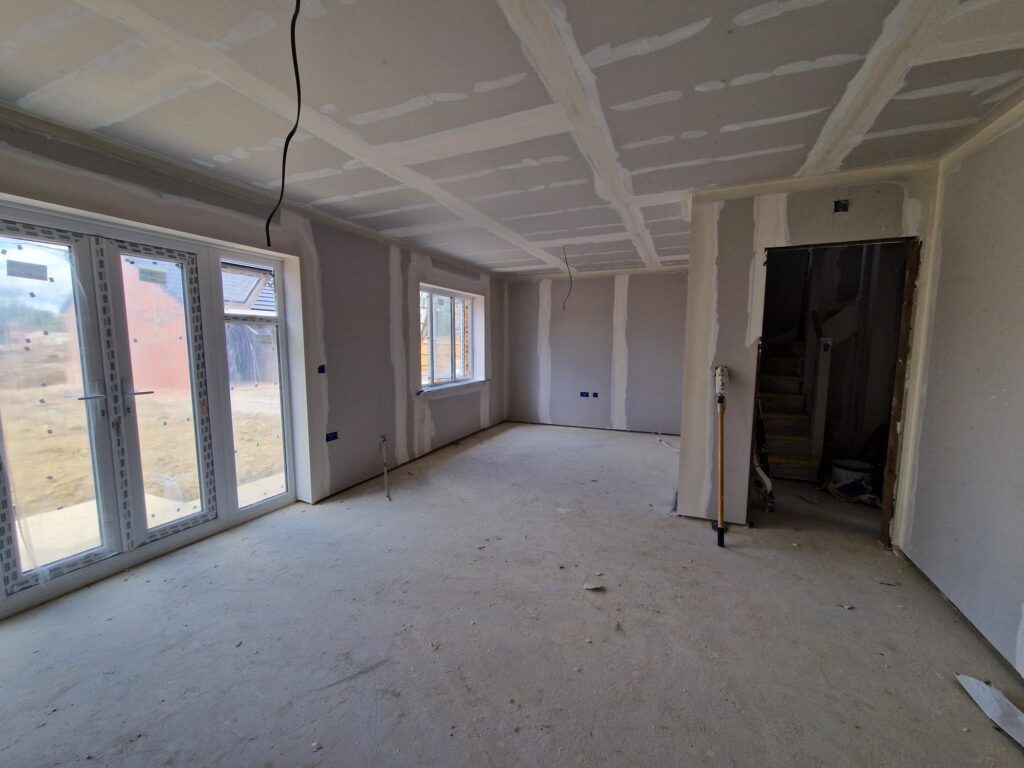
- Quick timelines – We found that, as it was a part exchange and there was no chain, the process was quick. With the house still on the first-floor-level build when we reserved, the whole process took just 3 months until we moved in.
- No estate agent fees – Again, this is another great bonus as you can save a bit of money; however, be warned there will be some things you will need to do that do eat into some of that saving.
The Cons of Part Exchange (What You Need to Be Aware Of)
Although we found the pros of part exchange outweighed the cons, there are some things that we were maybe not as aware of when doing the process that we should have been.
Overall, they did not make it a bad experience, but one that you should at least take into consideration when you are making a decision on whether to proceed.
- The price offered for your home will be lower than you expect! – The developer will be looking to make a quick turnaround on your home, so they will be factoring in the market value and the realistic value of a quick sale. For us, our price offered was £15k under the “market value” and around £10k under what we would have liked to have got. However, we know that they only made £6k on what we received, and they still had to pay estate agent fees and solicitor’s fees from this, so for us, it was a fair price.
- Restrictions on the deals you may receive – When we originally put in an offer and were discussing the part exchange, some developers will say the part exchange is the only deal you will get. For us, we were able to negotiate stamp duty and integrated appliances; however, we know this may not be the case for all developers, so it is worth factoring this into your purchase.
- Hidden costs – As mentioned above, there were a few costs we were not anticipating when participating in a part exchange, and although you may be asked in a standard sale, it does not always happen. You will need to provide a gas safety certificate (the ones landlords do yearly), and this was just shy of £100; plus you will also need to provide an EICR (Electrical Installation Condition Report), which was just under £200. Be warned, if either shows things needing work, they may ask for this to be rectified; for example, we had an old fuse board, so we had to upgrade to meet regulations, which cost an additional £800 with a few other bits.
None of the above was enough to put us off our purchase via a part exchange, but I just wish we had a little more information before starting, as things such as the certificates and works were not in the budget and did push our budget to its limit.
Our Part Exchange Timeline
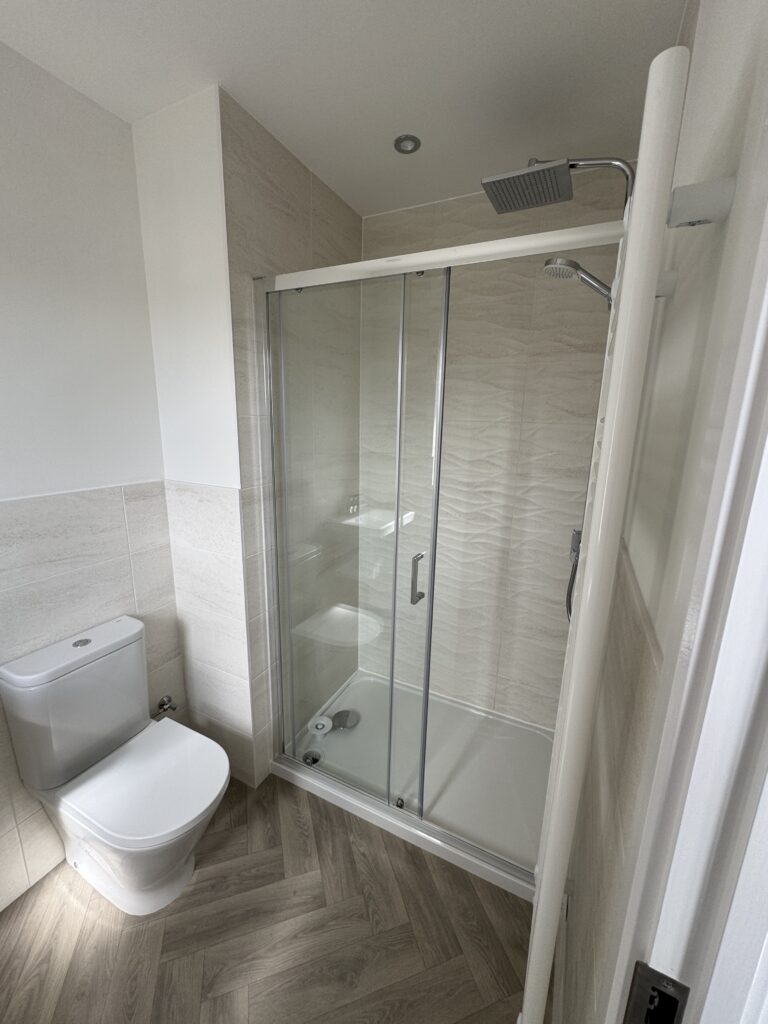
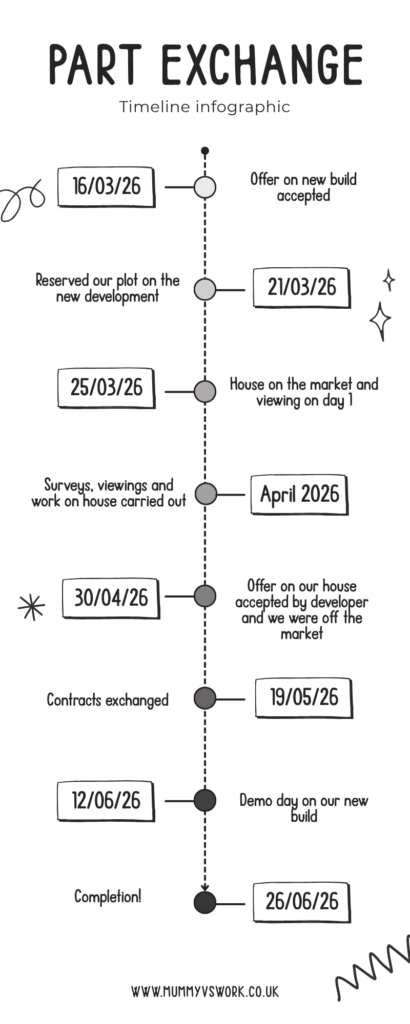
The timeline for part exchange on a house can be quick, and we found it very quick in our case. If you are starting the journey and want an idea of timelines, check out our timeline below.
Would We Recommend Part Exchange?
From our overall journey, from start to finish, I would recommend a part exchange when it comes to buying a new build.
Overall, the whole process was fairly straightforward and stress-free. Like I said earlier, knowing a few more of the details that I shared above would have made things a little less stressful, but compared to a chain and a buyer for our house, we found this so much easier and less stressful than last year, and we barely got going last year!
If you have any questions, pop them below, and I will do my best to answer them.

